08 Apr
Indie Cat Care Guide: Everything You Need to Know
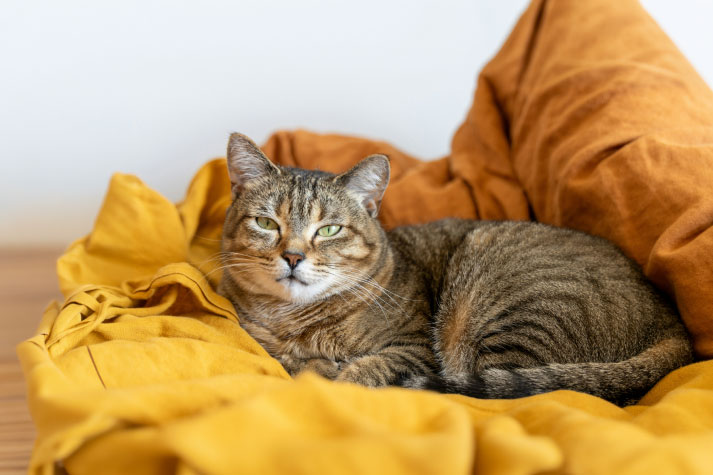
Indie cats, also known as Indian street cats, are strong, adaptable, and full of personality. They may have survived outdoors, but once they become pets, their needs change. Many people are unsure about how to care for an indie cat at home, what to feed them, how to help them adjust indoors, and what kind of routine they need.
This indie cat care guide answers these questions in a simple and practical way, so you can give your cat a safe, healthy, and comfortable life.
What Makes Indie Cats Different
Indie cats are not a breed. They are naturally evolved cats that have adapted to Indian conditions over generations. This is the reason they are more resilient and less prone to genetic issues compared to many pedigree cats.
They are also extremely observant. Most of their behavior comes from survival instincts developed outdoors. You’ll notice this in small ways:
- how they react to sounds
- how quickly they scan a room
- how cautious they are around new people
At the same time, they are capable of forming very strong emotional bonds. That combination, independent yet attached, is what makes them unique.
Bringing an Indie Cat Home: What to Expect
The first few days matter more than anything else. Many indie cats, especially rescues, do not immediately trust humans. They may stay hidden, avoid eye contact, or refuse food initially. This is not a problem. It’s a phase.
Street cats are used to unpredictable environments. When suddenly placed in a home, they take time to understand that they are safe. Instead of trying to fix this, focus on making them feel secure.
Keep things simple:
- Give them one quiet room in the beginning
- Avoid loud sounds and too many people
- Place food, water, and litter nearby
Let them observe you before interacting. Trust builds faster when they feel in control.
Indie Cat Diet: What Should You Actually Feed
This is one of the most searched questions, and also the most misunderstood. Indie cats are obligate carnivores, which means their bodies are designed to process meat-based diets.
Many people make the mistake of feeding milk or leftover food regularly. This can lead to digestive issues and poor health.
A balanced diet should include:
- Boiled chicken or plain fish, no spices
- Good quality wet or dry cat food
- Occasional fully cooked eggs
Protein is essential because it supports muscle strength, immunity, and overall energy.
What to avoid:
- Milk as many cats are lactose intolerant
- Spicy or oily human food
- Raw or undercooked meat
Street cats often survive on scraps, but that doesn’t mean it’s ideal. Once they are home, their diet needs to improve. A proper diet can visibly change their coat, energy levels, and overall health within weeks.
Daily Care Routine That Actually Works
Instead of overcomplicating things, focus on consistency. Cats feel safe when their routine stays predictable.
Feed them at the same time every day. Clean their litter box regularly. Keep their sleeping space undisturbed. You don’t need expensive setups.
A simple routine is enough:
- Fixed feeding times
- Fresh water available all day
- Clean litter area
- A quiet place to rest
Over time, your cat will start following this rhythm naturally.
How Much Grooming Is Actually Needed
One of the biggest advantages of indie cats is that they groom themselves very well. In fact, most of them keep their coats clean without much help.
That said, basic grooming still matters. Brushing once a week helps reduce shedding and keeps their coat healthy. Bathing is rarely needed unless they get extremely dirty or have a skin issue.
Instead of focusing on frequent baths, pay attention to:
- Nail trimming
- Ear cleaning
- Checking for ticks or skin irritation
These small steps help prevent bigger problems later.
Indie Cat Health Care
Even though indie cats are naturally strong, they are not immune to health issues. Outdoor exposure can lead to infections, parasites, and nutritional deficiencies. That’s why basic medical care is essential.
Key things to stay on track with
- Vaccination including rabies and core vaccines
- Deworming every few months
- Annual vet check-ups
Watch for early signs like:
- Low energy
- Loss of appetite
- Frequent sneezing or itching
Catching problems early makes treatment easier and less stressful.
Indoor vs Outdoor: What’s Better
This is a common dilemma. Indie cats are used to outdoor life, but that doesn’t always mean it’s safer. Outdoor risks in India include traffic, dog attacks, and infections.
Indoor cats generally live longer because they are protected from these dangers. That said, indoor life needs enrichment.
Give them ways to stay active like window access, climbing spots, and interactive toys. A bored cat becomes restless. A stimulated cat stays balanced.
Bonding with Indie Cats
Bonding with an indie cat is not about forcing affection. It’s about patience. Let them come to you. Sit nearby without trying to touch them. Speak softly.
Food plays a big role here. Offering food by hand, once they are comfortable, helps create positive association.
Play is another powerful tool. Even a simple string or toy can help them relax and engage with you. Once trust is built, indie cats are incredibly loyal.
Traveling or Relocating with an Indie Cat
If you plan to move cities or countries, preparation is key. Cats do not handle sudden changes well, so early training helps. Start by introducing them to a carrier slowly.
An IATA cat carrier is essential for safe travel, especially for flights. For long-distance or international moves, a professional pet relocation service can handle documentation, travel logistics, and safety requirements.
This becomes especially important when moving to the most pet friendly countries, where rules and entry requirements can vary.
The more prepared you are, the smoother the experience will be for your cat.
Final Thoughts
Indie cats are not just survivors, they are companions that adapt, observe, and slowly become a part of your life. They may not demand attention from day one, but once they trust you, the bond is strong and lasting.
Good care does not mean complicated care. It simply means understanding what they need and showing up for them every day.
And whether it’s daily life at home or future pet travel, the effort you put in today shapes how confidently your cat handles tomorrow.
FREQUENTLY ASKED QUESTIONS &
Are indie cats low maintenance pets?
Indie cats are often considered low maintenance pets because they are naturally resilient and adapt easily. However, proper indie cat care still includes a balanced diet, regular grooming, and basic health check-ups to keep them healthy.
What is the best diet for an indie cat in India?
The best diet for an indie cat includes protein-rich food like boiled chicken, fish, and high-quality cat food. A proper indie cat diet plan should avoid milk and spicy human food, as these can cause digestion issues.
Can indie cats live indoors full-time?
Yes, indie cats can live indoors comfortably if they are given time to adjust. Providing a calm environment, playtime, and mental stimulation is important when caring for an indoor indie cat.
Do indie cats need vaccinations and vet care?
Yes, vaccination is essential for indie cats, even if they stay indoors. Regular vet visits, deworming, and preventive care are key parts of responsible indie cat health care.
How do you build trust with a rescued indie cat?
To build trust with a rescued indie cat, give them space and avoid forcing interaction. Consistency, gentle behavior, and positive experiences like feeding and play help in bonding with an adopted indie cat.




AUTHOR’S BIO
Carry My Pet
Passionate pet enthusiasts and globetrotters, dedicated to easing furry friends' journeys worldwide. Penning tales of compassion at CarryMyPet, where every relocation is a tail-wagging adventure.